Prezi-Political Economy by Rebeca M. Nastase
Experimental Economics
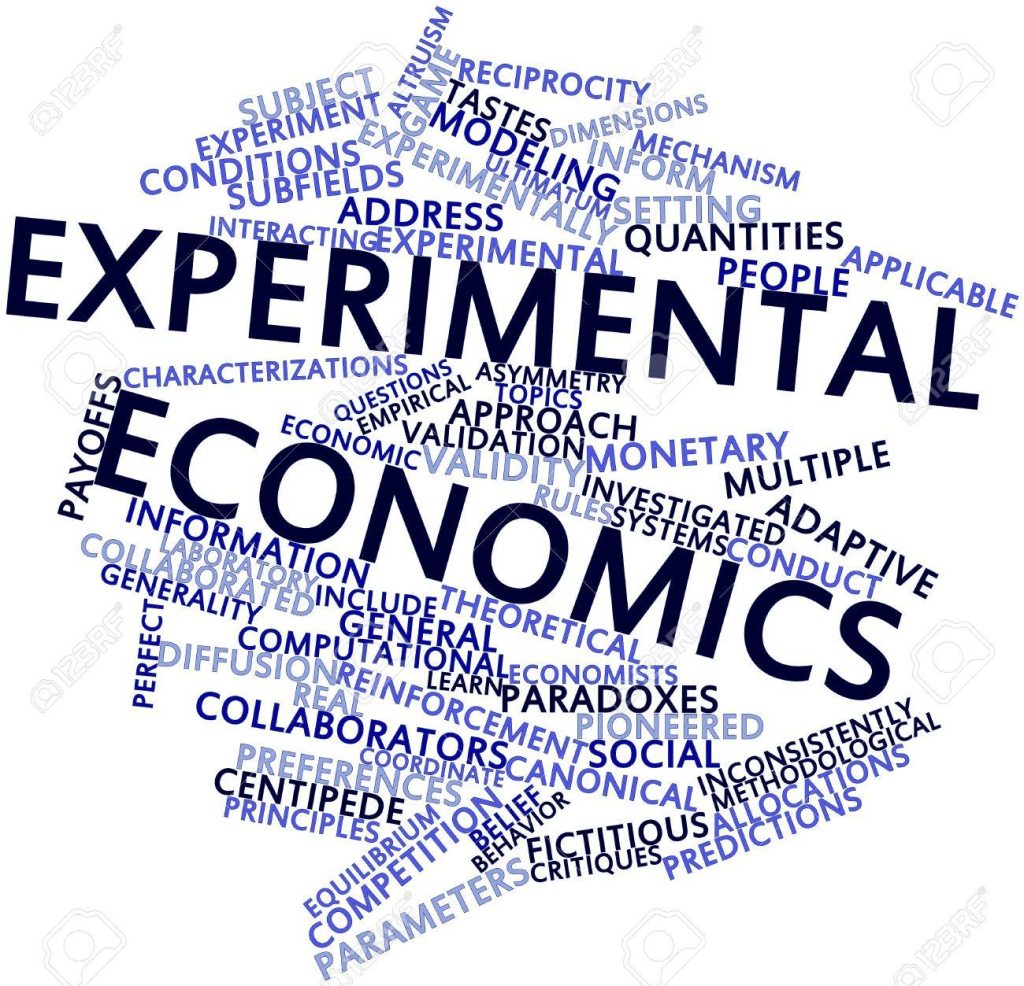
Experimental economics is a branch of economics that uses controlled experiments to study economic behavior and test economic theories. It involves designing and conducting experiments in a controlled laboratory setting or through field experiments to explore how individuals and groups make economic decisions.
Unlike traditional economic research that relies on observational data, experimental economics allows researchers to create controlled environments where they can manipulate variables and observe the responses of individuals or groups. This controlled setting enables researchers to isolate specific factors and study their impact on economic decision-making.
Experimental economics is based on the principles of the scientific method, employing hypothesis testing, randomization, and replication. Participants in experiments are typically recruited from the general population or specific target groups and are given monetary incentives that reflect real-world economic situations.
The experiments conducted in experimental economics cover a wide range of topics, including individual decision-making, strategic interactions, market behavior, public goods provision, auctions, and bargaining, among others. Through these experiments, researchers aim to understand human behavior and how it relates to economic concepts and theories.
Experimental economics also allows researchers to test the validity of economic models and theories. By observing how individuals behave in controlled experiments, economists can evaluate the accuracy and predictive power of economic models and refine them accordingly. This iterative process of testing and refining theories is central to the advancement of economic knowledge.
In recent years, experimental economics has also been used to inform policy-making. Governments and organizations have increasingly turned to experimental research to evaluate the potential impact of policy interventions, such as tax changes, regulation reforms, or incentives programs. These experiments provide valuable insights into the likely behavioral responses of individuals and groups to different policy measures.
Overall, experimental economics provides a valuable tool for economists to study economic behavior, test theories, and inform policy decisions. By conducting carefully designed experiments, researchers can gain a deeper understanding of human behaviour in economic contexts and contribute to the development of more robust economic models and policies.
https://www.investopedia.com/terms/e/experimental-economics.asp
Health Economics
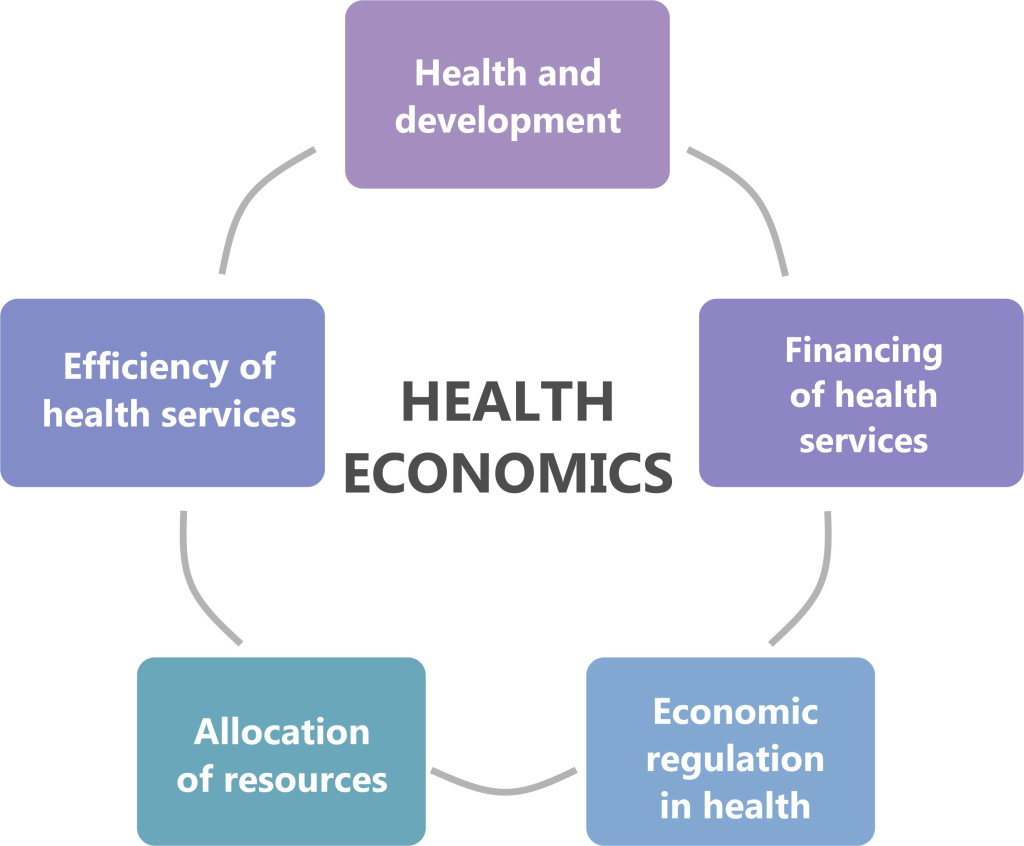
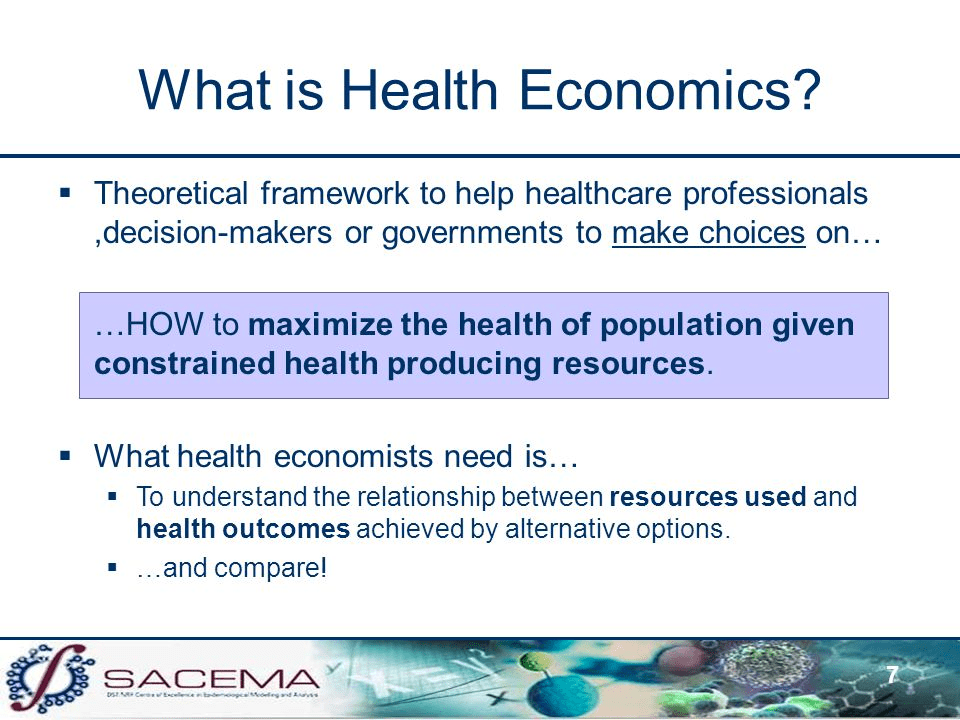
Health economics is a branch of economics that examines the efficient allocation of resources in the healthcare sector. It aims to understand and evaluate the organization, delivery, and financing of healthcare services, as well as the impact of healthcare policies on overall health outcomes.
One of the central concerns in health economics is the analysis of healthcare markets. This includes studying the supply and demand for healthcare services, the role of health insurance, the behavior of healthcare providers, and the factors influencing consumer choices. By examining these factors, health economists seek to identify ways to improve the efficiency and effectiveness of healthcare delivery.
Health economists also analyze the cost-effectiveness and cost-benefit of different medical interventions and healthcare programs. This involves assessing the additional costs incurred and the benefits gained from implementing specific healthcare interventions, such as new drugs, medical technologies, or public health campaigns. These evaluations help policymakers and healthcare providers make informed decisions regarding resource allocation.
In addition, health economics plays a crucial role in addressing issues of equity and access to healthcare. It examines the distribution of healthcare services across populations and explores how socioeconomic factors, health policies, and healthcare systems influence inequalities in health outcomes. Health economists strive to identify strategies that can improve access to healthcare services and reduce disparities in health.Overall, health economics provides a framework for understanding the economic forces at play in the healthcare sector. By applying economic theories and analytical tools to healthcare issues, it aims to guide policymakers and stakeholders towards evidence-based decisions that enhance the efficiency, equity, and quality of healthcare delivery.
Please check out my colleagues’ websites:
The art of fashion
Why are clothes important?
Clothes are important because they say a lot about who we are. Fashion is a meticulous art and each garment is a unique piece of artwork we should love and cherish.

 Site Title