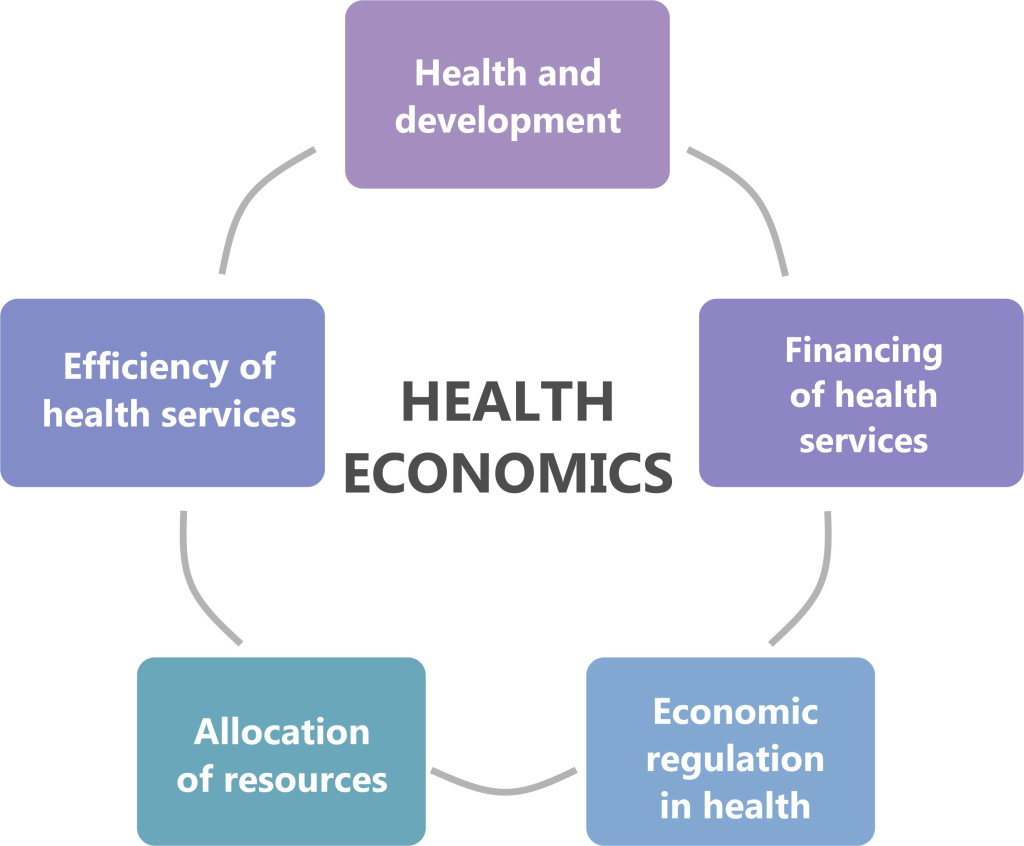
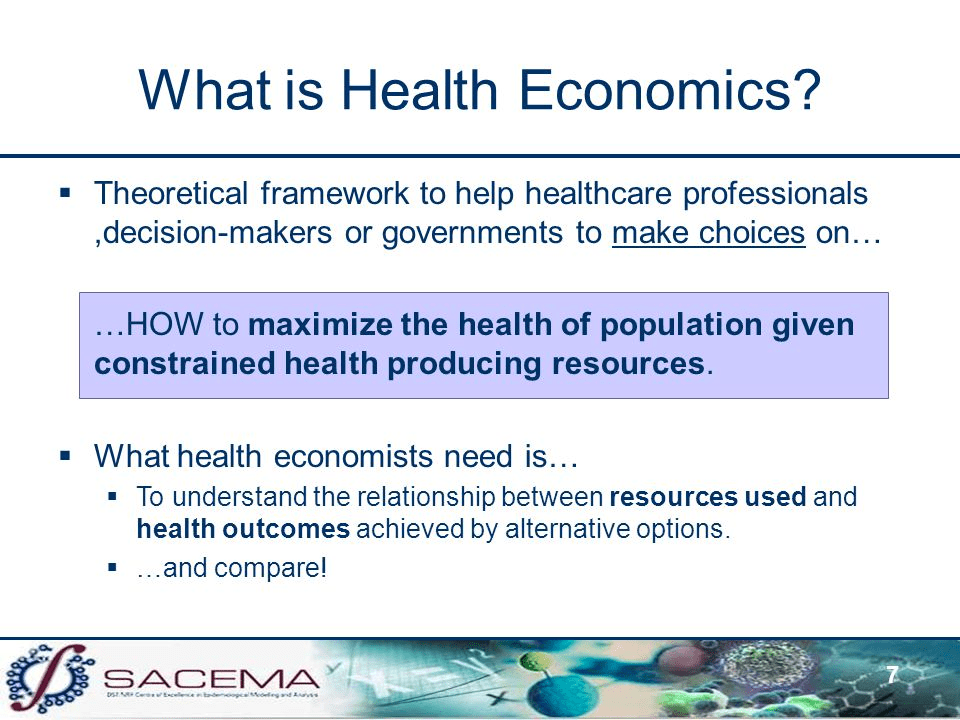
Health economics is a branch of economics that examines the efficient allocation of resources in the healthcare sector. It aims to understand and evaluate the organization, delivery, and financing of healthcare services, as well as the impact of healthcare policies on overall health outcomes.
One of the central concerns in health economics is the analysis of healthcare markets. This includes studying the supply and demand for healthcare services, the role of health insurance, the behavior of healthcare providers, and the factors influencing consumer choices. By examining these factors, health economists seek to identify ways to improve the efficiency and effectiveness of healthcare delivery.
Health economists also analyze the cost-effectiveness and cost-benefit of different medical interventions and healthcare programs. This involves assessing the additional costs incurred and the benefits gained from implementing specific healthcare interventions, such as new drugs, medical technologies, or public health campaigns. These evaluations help policymakers and healthcare providers make informed decisions regarding resource allocation.
In addition, health economics plays a crucial role in addressing issues of equity and access to healthcare. It examines the distribution of healthcare services across populations and explores how socioeconomic factors, health policies, and healthcare systems influence inequalities in health outcomes. Health economists strive to identify strategies that can improve access to healthcare services and reduce disparities in health.Overall, health economics provides a framework for understanding the economic forces at play in the healthcare sector. By applying economic theories and analytical tools to healthcare issues, it aims to guide policymakers and stakeholders towards evidence-based decisions that enhance the efficiency, equity, and quality of healthcare delivery.
 Site Title